
Designed in India: Modern Indian Luxury Interiors for 2026

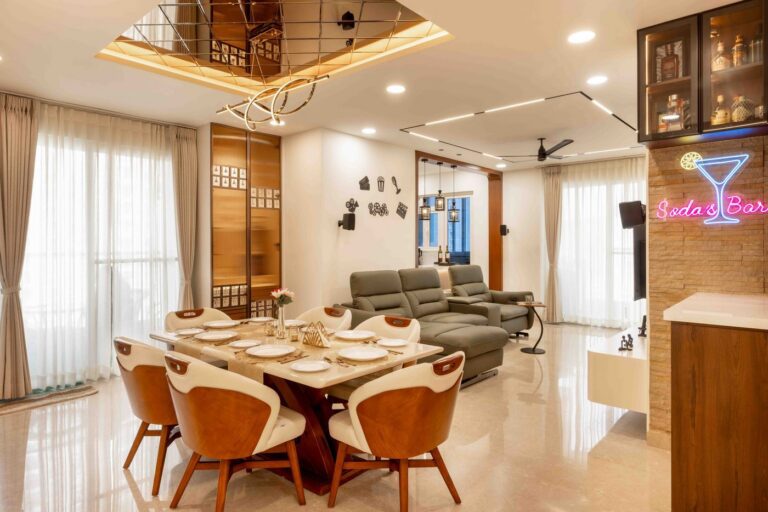
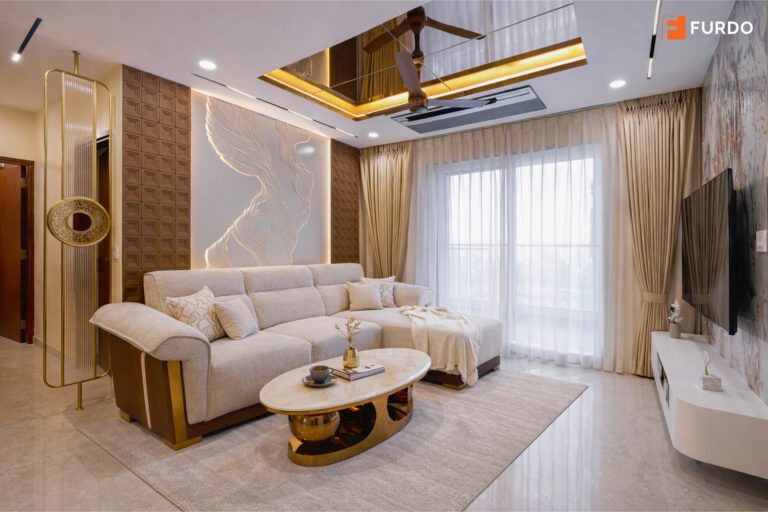
For years, “luxury interior design” in India meant borrowing a visual language from somewhere else — European classical, minimalist Scandinavian, glossy international-hotel modern. That’s shifting. Across our Bangalore and Hyderabad projects this year, the strongest homes are the ones that look unmistakably Indian without looking dated. Here’s what that actually looks like room by room.
This isn’t a nostalgia trend. It’s a confidence shift — clients asking for teak and cane and brass not because it’s traditional, but because it’s genuinely well made, and because a home that looks like it could be anywhere has stopped feeling aspirational.
01Craft materials, used with restraint
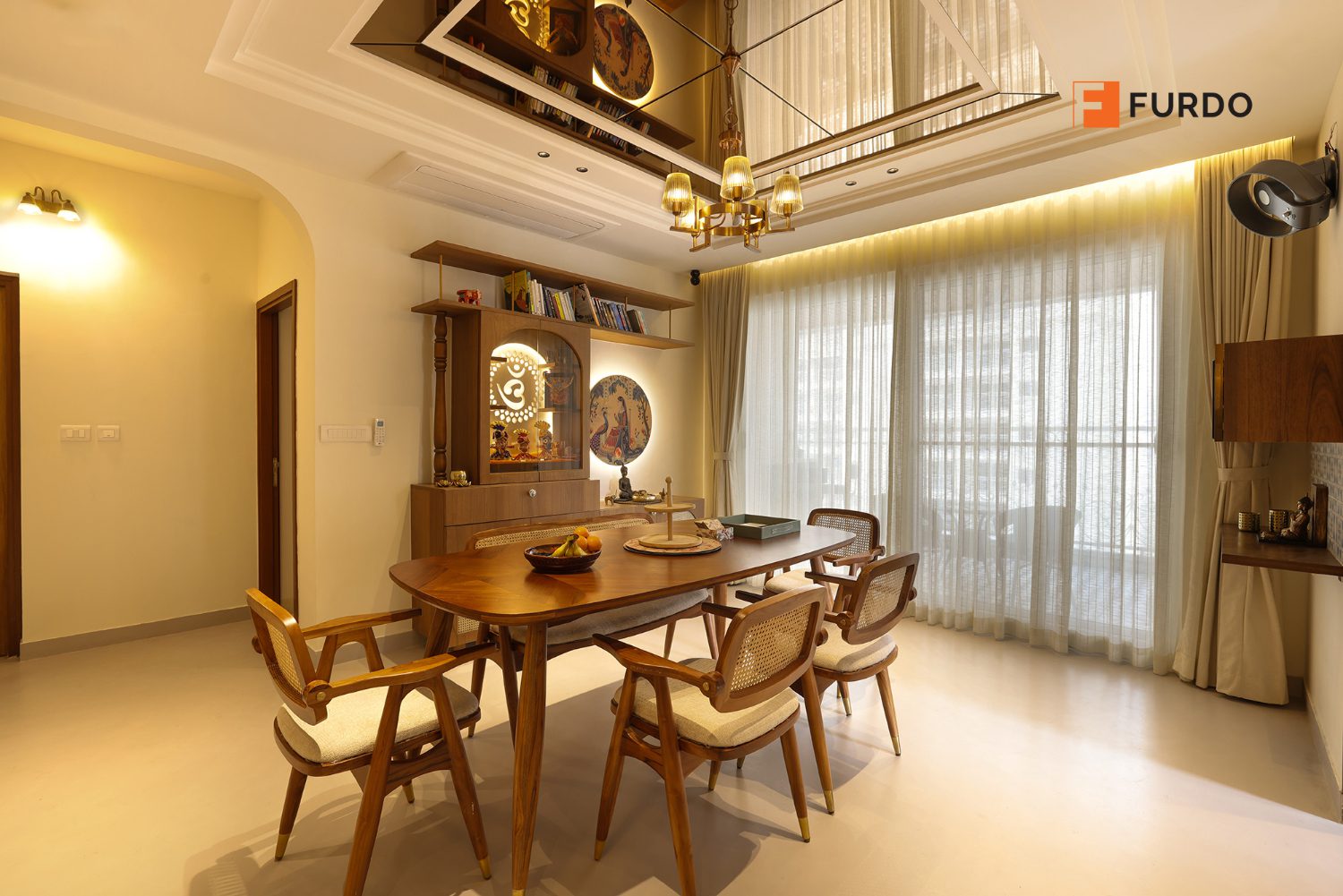
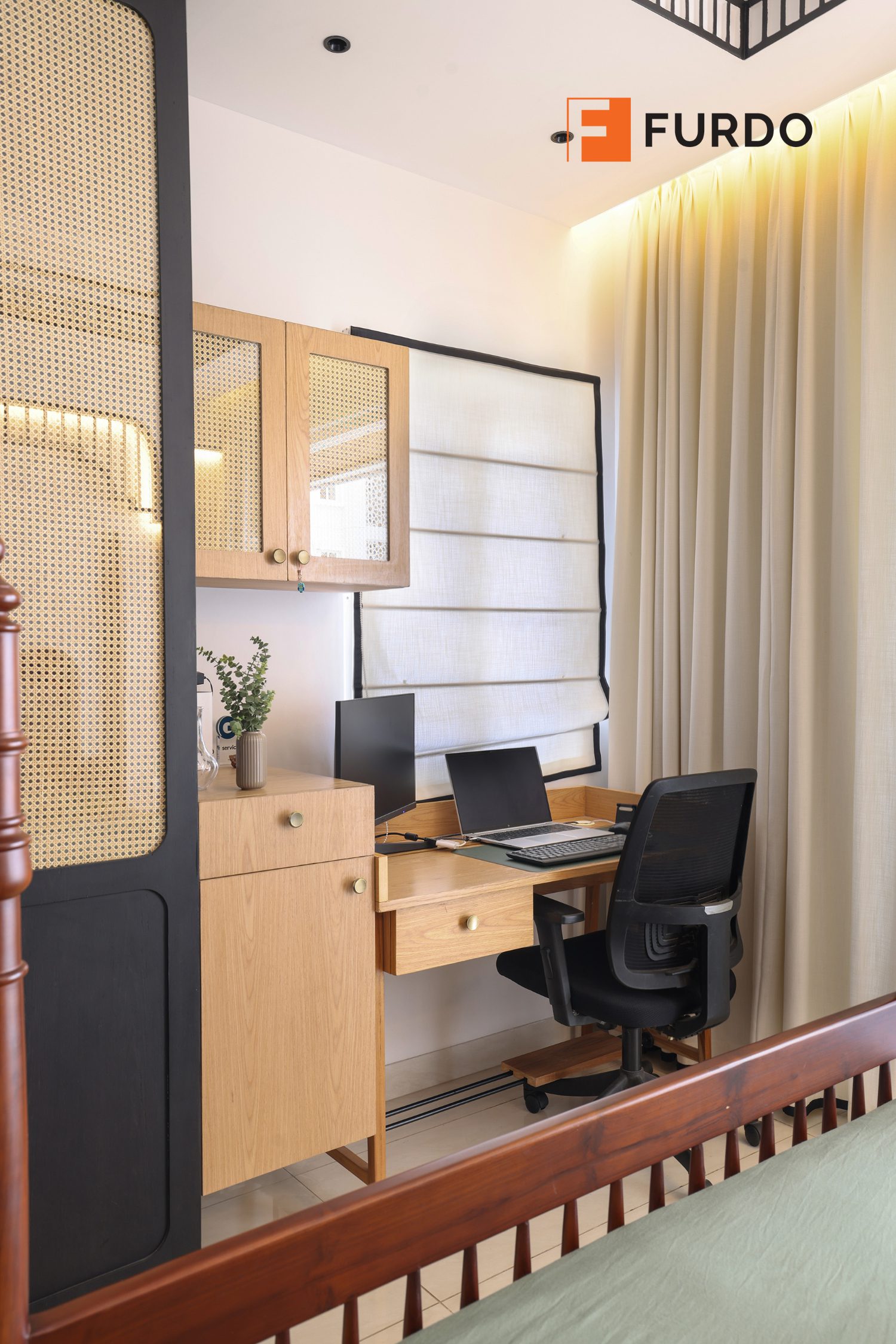
The defining shift in 2026 isn’t more ornamentation — it’s the opposite. Cane, teak, brass inlay and hand-finished stone are showing up in smaller, more deliberate doses: a single caned chair rather than a full seating set, one brass accent wall rather than brass trims everywhere. Restraint is what makes a craft material read as considered rather than decorative.
02Warm, earthed palettes over cool neutrals
The all-white, all-grey “international” palette that dominated luxury interiors for the last decade is losing ground to warmer, earthier tones — terracotta, sage, deep browns, brass-adjacent golds. These colours read as distinctly Indian without leaning on any single regional motif, and they photograph and live noticeably warmer than the cool palettes they’re replacing.
“A home that looks like it could be anywhere has stopped feeling aspirational. Clients want it to look like it’s genuinely from here.”
03Contemporary layouts, traditional materials
The most successful projects don’t recreate a traditional Indian home’s layout — open kitchens, walk-in wardrobes and integrated media walls are still the default ask. What’s changed is the material and finish language layered onto that contemporary layout. It’s a modern floor plan dressed in materials with real regional roots.
Sourced and made in-house, not imported.
Every craft material we use — cane, teak, brass, hand-finished stone — is sourced and manufactured through our own in-house workshops, not through third-party import vendors. That means consistent quality control and a material language that stays genuinely rooted, project to project.
04Kitchens: the last room to hold out on pure minimalism
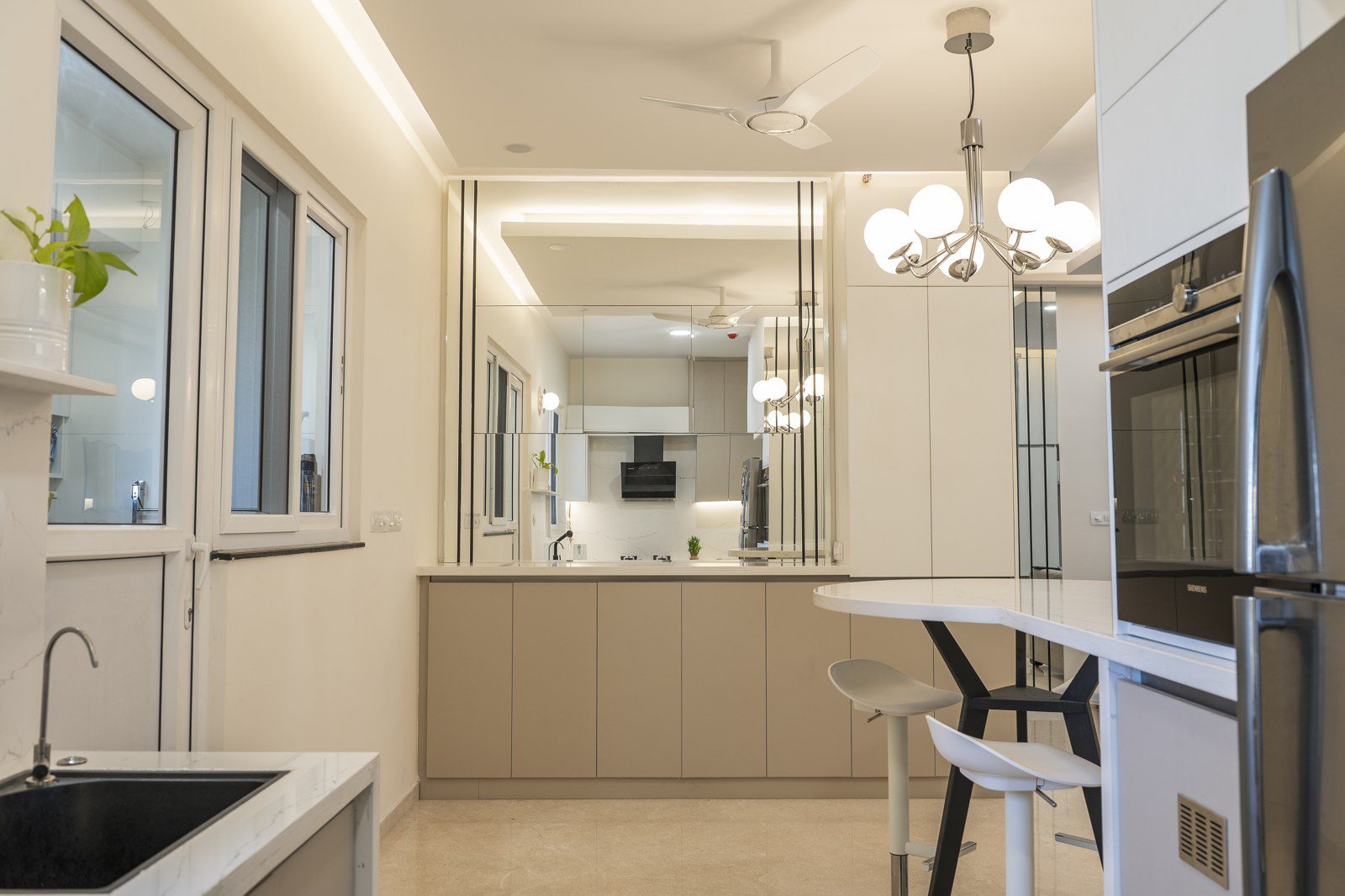
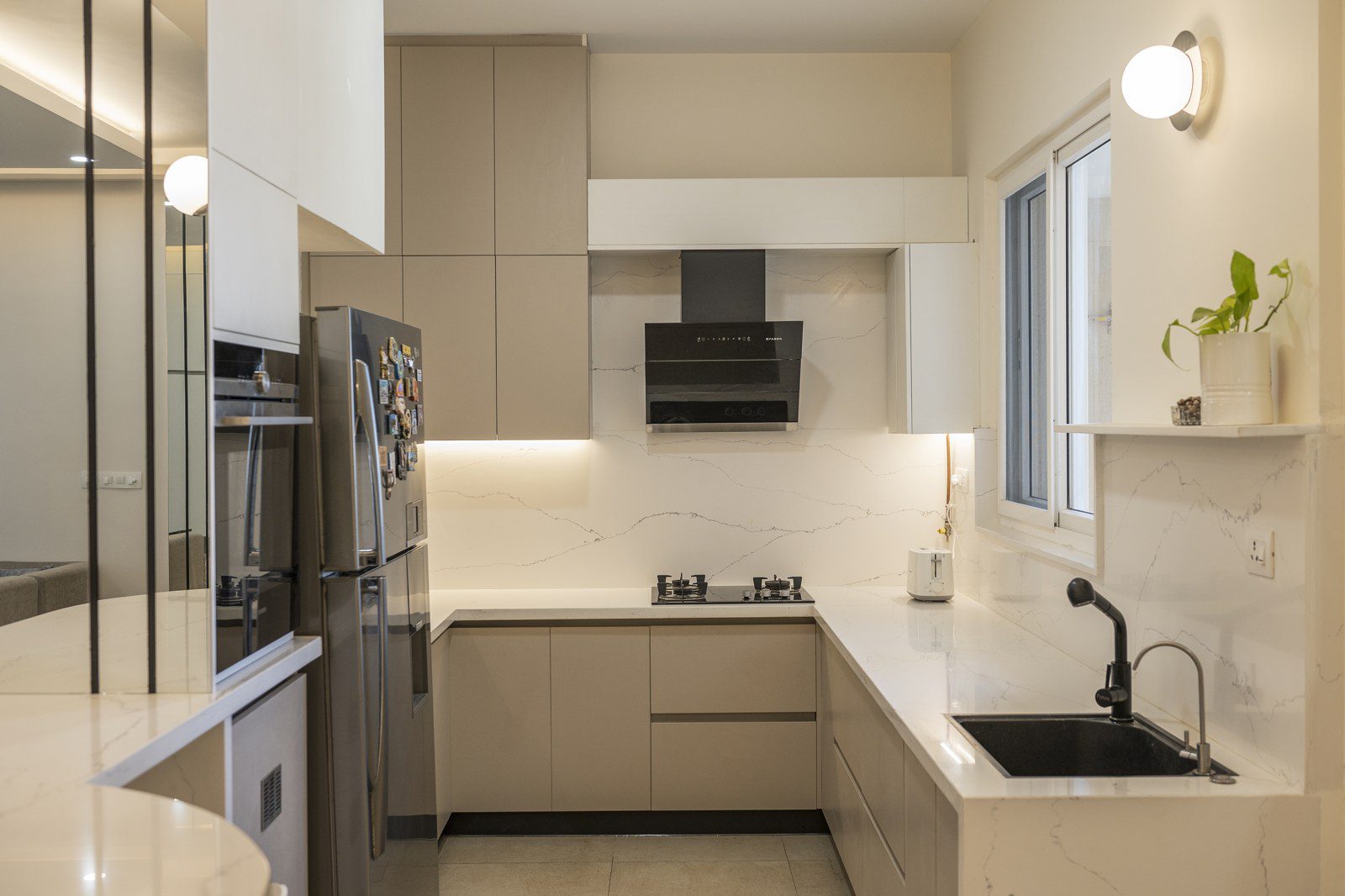
Even as living and bedroom spaces trend warmer and more textural, kitchens in both cities are staying closer to clean, functional minimalism — matte cabinetry, integrated appliances, minimal visible hardware. The one shift: warmer cabinet tones replacing the stark white-and-grey combinations that dominated a few years ago.
05How this shows up in a Furdo project
We don’t treat “Indian luxury” as a single aesthetic package to apply uniformly. Every project starts with the same design process — floor-by-floor planning, full HD 3D renders before anything is built — and the material language gets tailored from there, based on what the client actually responds to. Some homes lean fully into craft materials; others use them as a single deliberate accent. Both are valid expressions of the same underlying shift.
Want an Indian material language in your own home?
We’ll walk you through craft materials, palettes and finishes suited to your space.
Book a Design Consultation