 Book Consultation
Cane furniture in Indian interior design: bamboo, rattan and where each belongs
Bamboo is a grass, rattan is a climbing palm, cane is the skin of that palm and wicker is only a technique. Getting the four straight tells you where a woven panel will last for years and where it will go slack by its second monsoon.

Four words get used as if they were interchangeable, and getting them wrong is how a beautiful panel ends up in the wrong room. Cane furniture in Indian interior design is having a long moment, and most of the decisions get made without anyone asking which plant is involved. Bamboo, rattan, cane and wicker are not synonyms, and knowing which is which tells you where a woven panel holds and where it goes slack by its second monsoon.
The material, then the joinery, then the failure modes, and what designed in India ought to mean.
01 Bamboo, rattan, cane and wicker are four different things
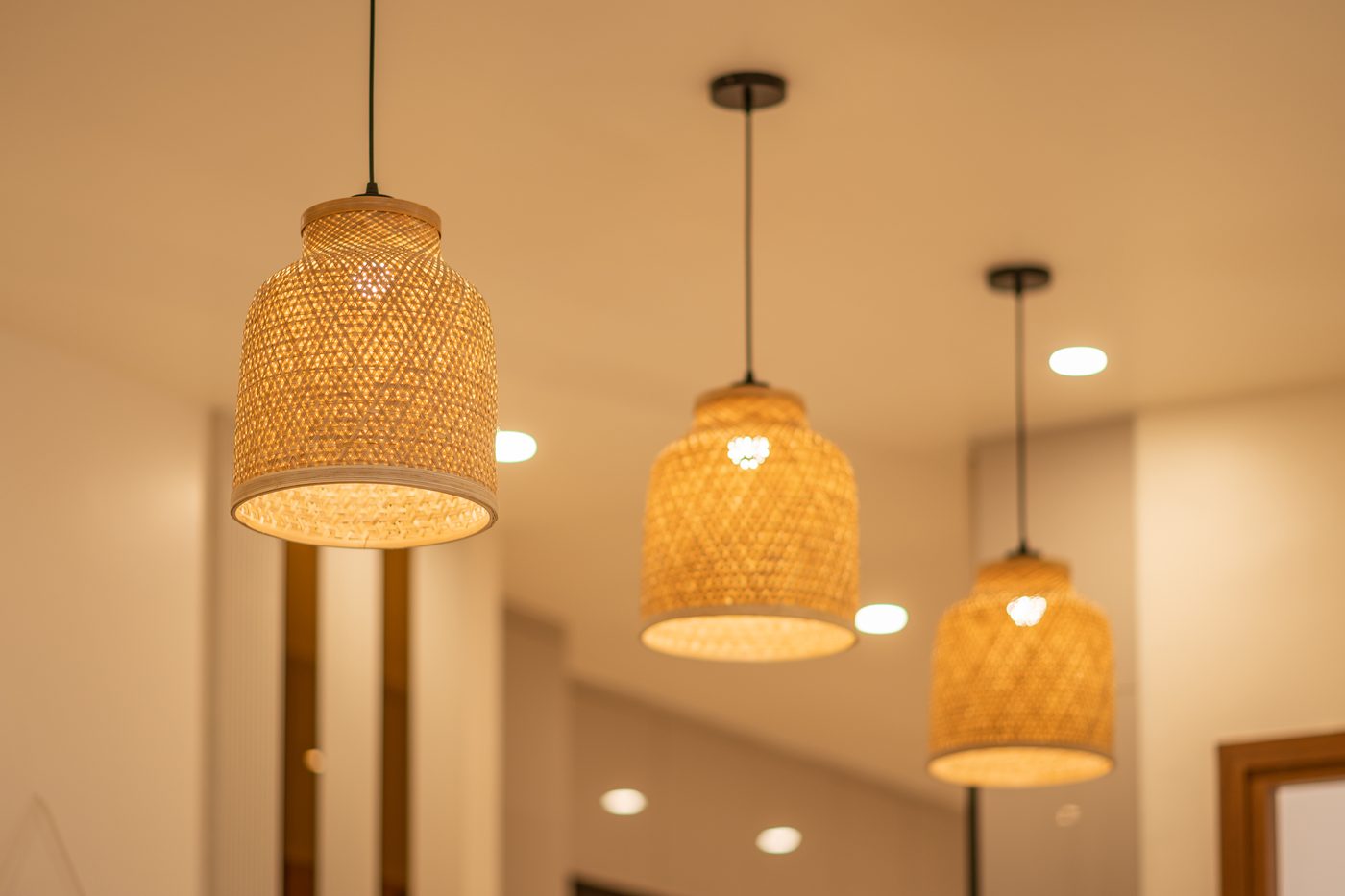
Bamboo is a grass. It grows from a rhizome that keeps sending up new culms, so cutting a mature culm does not kill the clump. Indoors it arrives as a pole, as flat splints plaited into a shade, or as engineered board and flooring.
Rattan is a climbing palm, not a grass and not a timber, and its stem is solid all the way through. That solidity is the point: a solid pole steams and bends into a curve that stays bent, which is why rattan makes frames, not flat panels.
Cane is the outer skin of that same rattan pole, stripped off, split into fine strands and woven into the honey coloured mesh with the small octagonal holes. So cane is not a plant, it is a part of one. Anyone selling you a cane pole means rattan.
Wicker is none of the above. It is a weaving technique, done in rattan reed, willow, seagrass or polyethylene. The all weather wicker on a hotel terrace is plastic.
02 Where each one belongs in a luxury Indian home
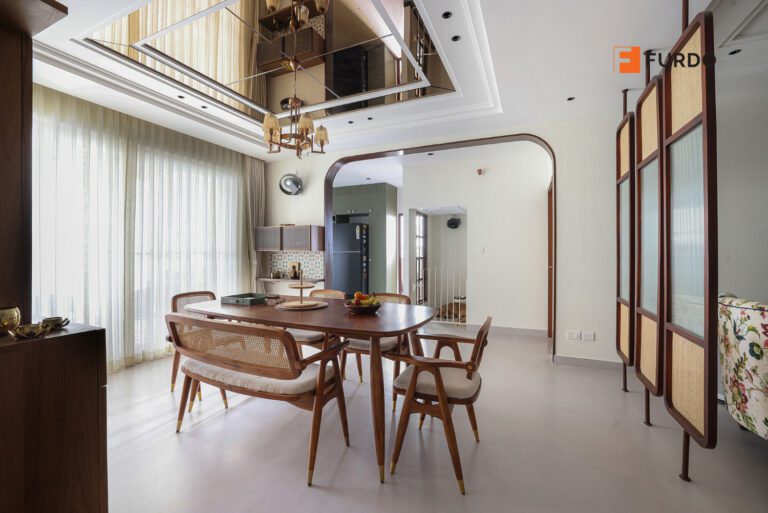
Cane webbing belongs where you want air and light through one panel and nothing heavy leans. Wardrobe shutters are the strongest case, because a closed wardrobe in Bangalore or Hyderabad goes musty and a webbed shutter ventilates it without a grille. Screens divide sightlines without dividing air. Pooja doors let smoke out and daylight in.
Rattan belongs in frames rather than fields: a bent chair back, a lounger, a bed profile. Bamboo belongs at the two ends of the scale, engineered board and flooring at the hard end, plaited splint shades at the soft one.
Then the places all three are wrong. A wet kitchen is the clearest: cooking grease is an aerosol, it settles into every crossing, and nothing gets it out without soaking the panel. A bathroom is second, and anywhere a mop reaches weekly is third.
A woven insert is only as good as the frame that tensions it
An open panel puts its whole working life into the carcass around it. If the shutter frame moves, the weave slackens and the groove opens. That is a plywood and hardware problem before it is a weaving problem.
- 4,500+ homes delivered
- 10-year warranty on woodwork
- Branded certified plywood
- Hettich hardware
- 3D renders for two rooms before you commit
- 4+ star rated
03 What goes wrong, and the honest case for the material
Almost every complaint about cane and rattan starts in one of five places. Moisture is first. Both are hygroscopic, so through a Bangalore or Hyderabad monsoon a webbing panel absorbs, relaxes and sags, and through a dry April in an air conditioned room it shrinks again. A panel that was drum taut at handover can be visibly loose in a season with nothing broken.
Sun is second, and it does not reverse. Ultraviolet light bleaches and embrittles the fibre, and brittle cane snaps at the crossings. A panel against west facing glass looks chalky after two summers.
Dust is third, because every crossing in an open weave is a small shelf. Fourth is insects. Untreated bamboo is starchy, and that starch is what powder post beetles are after. Boron based treatment and proper curing are the standard preventives. Ask whether the material was treated before it was woven, and assume not if nobody can answer.
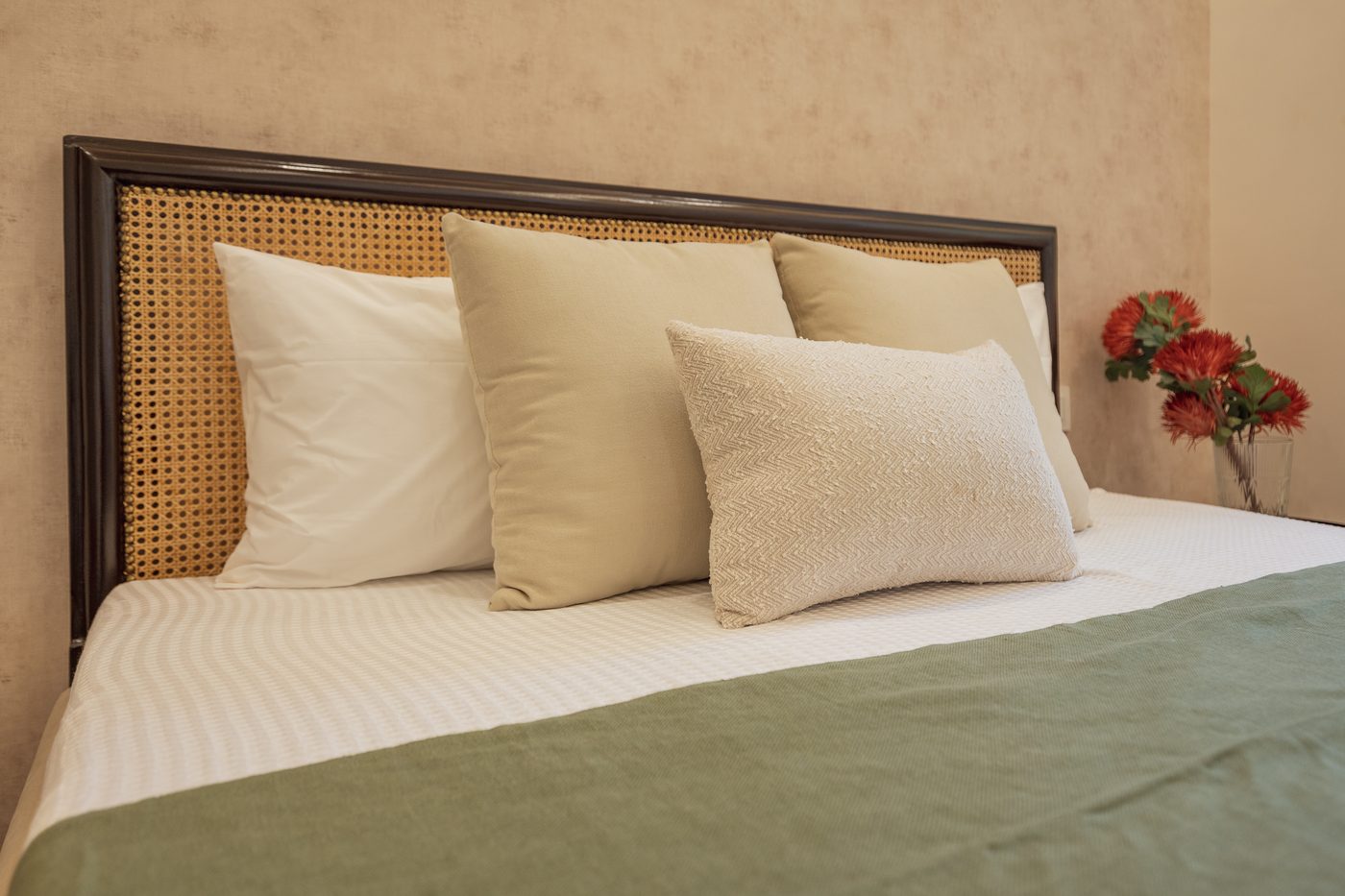
Fifth is load. Cane webbing is a membrane, not a structural panel: it takes tension across a frame and not a point load. A headboard is fine, because the weight goes into the frame behind the weave. Past roughly 600mm of unsupported span most joiners break the panel with an intermediate rail, and in wardrobe and storage design that rail is the detail worth insisting on.
Which leaves renewability. Bamboo’s advantage is structural: the clump survives harvest and keeps producing, where a hardwood is one tree on a rotation of decades. Rattan is largely a forest crop, so its value depends on the forest staying up, which is hard to verify. Renewability is a property of how the plant grows, not a certificate stapled to a shutter, and a rattan look weave in polyethylene is not renewable.
Planning cane shutters or a woven headboard in Bangalore or Hyderabad? Bring us the sizes before the joinery is frozen.
Book Consultation04 What to check in your own home
- Ask which plant, not which look. Get it in writing: cane webbing, rattan reed, split bamboo or polyethylene. Those four age differently, and only three are renewable.
- Look at the back of a sample shutter. Sheet cane belongs in a routed groove, locked with a reed spline. Webbing stapled behind a frame pulls loose at a corner, and there is no neat repair.
- Break any span longer than about 600mm. An intermediate rail costs nothing at the drawing stage and is why the panel is still flat later. Ask where they fall before approving the elevation.
- Keep the weave out of the wet and off the west. No cane within splash reach of a sink, a hob or a shower, and none against unfiltered afternoon glass.
- Confirm the treatment and the seal. Both plants want treatment against borers and a finish that seals the fibre without filling the holes. Clogged with lacquer, a weave stops breathing.
A note on care, and on re-tightening a panel that has gone slack
Dust weekly with a soft brush, dry, or vacuum with a brush head. Never soak, because water in a weave leaves rings and starts mould. When a natural cane panel loosens, and here it will, damp the underside of the webbing with warm water, keep the frame dry, and dry it slowly out of the sun and away from heat. The cane shrinks as it dries and pulls itself taut again. That is a re-tensioning rather than a repair, so expect to repeat it, and over-wetting can soften the spline glue. Once a crossing has broken, replace the sheet.
05 How Furdo plans this
Design settles which plant, which panel and which span before anything reaches an elevation. Visualize puts it in front of you as high-definition, photoreal 3D renders of two rooms before you commit, which is when an open weave either reads as warmth or as a gap. Build happens in our in-house manufacturing facility on branded certified plywood with Hettich hardware, under a 10-year warranty on the woodwork. The same sequence across a home is in our Bangalore planning guide.
06 Frequently asked questions
What is the difference between cane, rattan and bamboo?
Bamboo is a fast growing grass with a hollow stem. Rattan is a climbing palm with a solid stem that steam bends into frames. Cane is the outer skin of that pole, woven into mesh. Wicker is the technique, not a material.
Do cane wardrobe shutters work in Indian humidity?
Yes, and the ventilation is why you would choose them. The webbing does absorb moisture and relax through the monsoon, so plan on re-tensioning it, and break any span past about 600mm with a rail.
Why does a cane panel sag, and can it be tightened?
It takes up moisture from humid air and relaxes. Damping the underside with warm water and drying it slowly, out of the sun and away from heat, shrinks it back to tension. That is a re-tensioning, not a repair, so it needs repeating.
Is cane webbing safe in a kitchen or a bathroom?
No. Cooking grease is airborne and settles permanently into the weave, and a bathroom keeps the fibre damp, which invites mould. Use woven panels in dry rooms, where ventilation is the advantage.
Is bamboo genuinely more sustainable than hardwood?
Its regrowth is faster and harvesting a culm does not kill the clump, a real advantage over a tree on a rotation of decades. That is a fact about the plant, not about your panel.